
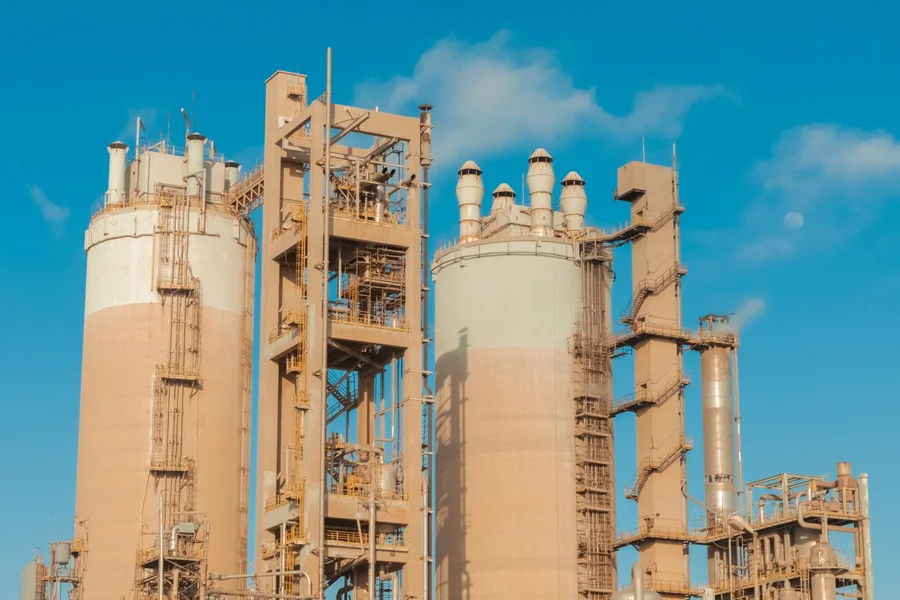
Linden Cogeneration Plant: Powering the Future with Clean Hydrogen Blends
As the global energy sector undergoes a massive transition toward sustainability, combined heat and power (CHP) facilities are emerging as critical pieces of regional infrastructure. Among these, the linden cogeneration plant in Linden, New Jersey, stands out as a prime example of industrial integration and eco-friendly innovation. Boasting a generation capacity of nearly 980 megawatts (MW), this natural gas-fired facility has spent over three decades supplying electricity and process steam to major regional grids and neighboring manufacturing installations.
Recently, the Linden Cogeneration Plant made headlines for launching one of the nation’s most advanced hydrogen blending programs, co-firing clean-burning hydrogen alongside natural gas to significantly reduce its carbon footprint. In this comprehensive guide, we explore the plant’s history, its vital connection to New York City and New Jersey power grids, its operational partnership with the adjacent Bayway Refinery, and how its clean energy initiatives represent the future of industrial power generation.
The History and Capacity of Linden Cogeneration
Commissioned in 1992, the Linden Cogeneration Plant was originally developed by Cogen Technologies to serve the high-density energy needs of northern New Jersey and the broader New York metropolitan area. Utilizing combined-cycle gas turbine technology, the plant achieves incredible thermal efficiency by capturing waste heat from its gas turbines to generate steam, which is then used to spin steam turbines and generate additional electricity.
Today, the facility operates with a total capacity of approximately 972 MW to 980 MW. The ownership of the plant is held by a consortium of international infrastructure partners managed by JERA Americas Inc. (a subsidiary of the Japanese energy giant JERA). As of late 2025, JERA Americas holds a 50% managing stake, while the Electricity Generating Public Company Limited (EGCO Group) of Thailand holds a 38% stake, and the Development Bank of Japan (DBJ) owns 12%. Learn more about JERA’s worldwide clean energy projects on the official JERA Global website.
“By combining electricity generation with steam production, cogeneration plants like Linden achieve up to double the fuel efficiency of traditional coal or gas plants.”
A Vital Link Between Two Major Power Grids
One of the most unique aspects of the Linden Cogeneration Plant is its electrical connection structure, which allows it to supply power to two completely different regional energy markets:
- NYISO (New York Independent System Operator): The majority of the facility’s power generation (Units 1 through 5) is dedicated to New York City (Zone J) via a direct transmission cable. This makes Linden Cogeneration a cornerstone of NYC’s daily grid stability.
- PJM Interconnection: Unit 6 of the facility is connected to the PJM transmission system, which serves the regional grid covering New Jersey and thirteen other states. Explore grid operations on the official PJM Interconnection portal.
Directly adjacent to the plant sits the Linden Variable Frequency Transformer (VFT) project. The Linden VFT operates as a merchant transmission line that allows for the controlled, bi-directional transfer of up to 315 MW of electricity between the PJM and NYISO grids. This unique setup helps prevent blackouts and stabilizes power costs across state lines during periods of peak demand, showing how businesses optimize operations and trim overall energy costs through smart utility integration.
The Symbiotic Bond with Phillips 66 Bayway Refinery
The Linden Cogeneration Plant operates in a close, circular partnership with the adjacent **Phillips 66 Bayway Refinery**, one of the largest oil refineries on the East Coast. Rather than operating independently, the two facilities share a highly interdependent utility loop:
Linden Cogeneration supplies large volumes of high-pressure process steam and electricity directly to the Bayway Refinery and neighboring chemical manufacturers like Infineum. This steam is a critical ingredient for refining crude oil and manufacturing chemicals. In return, the refinery provides purified water and, most importantly, “refinery off-gas”, a byproduct of the refining process containing significant amounts of hydrogen.
Leading the Charge: The Hydrogen Blending Initiative
To align with modern global technology trends, Linden Cogeneration commissioned a pioneering hydrogen blending project in June 2023. By utilizing the hydrogen-rich refinery off-gas supplied by the Bayway Refinery, the plant modified its Unit 6 gas turbine to co-fire natural gas with up to 40% hydrogen.
This modification was achieved using PSM’s FlameSheet™ combustor system. Because hydrogen produces only water vapor when burned, co-firing with hydrogen reduces carbon dioxide (CO2) emissions. The project successfully reduced Unit 6’s annual CO2 emissions by approximately 10%, serving as a real-world testing ground for hydrogen utility-scale combustion. This successful blend highlights how modern technology is reshaping heavy industry, showing that traditional fossil-fuel assets can be retrofitted for a lower-carbon future.
Key Plant Information
| Operational Metric | Details & Specifications |
|---|---|
| Plant Type | Natural Gas Combined-Cycle Cogeneration (CHP) |
| Total Capacity | ~972 MW – 980 MW |
| Location | Linden, Union County, New Jersey |
| Commercial Operation Date | 1992 |
| Asset Manager | JERA Americas Inc. (50% Stake) |
| Primary Industrial Customer | Phillips 66 Bayway Refinery (Steam & Power) |
| Hydrogen Blend Capacity | Up to 40% co-firing on Unit 6 (via FlameSheet technology) |
What This Means for the Future of Energy
The success of the Linden Cogeneration Plant’s hydrogen blending project shows that the path to a zero-carbon grid does not require immediately tearing down existing gas plants. Instead, retrofitting highly efficient cogeneration facilities to burn hydrogen blends provides a realistic, incremental path toward carbon reduction while maintaining grid reliability.
Just as tourists looking for top travel experiences plan their routes carefully to balance speed and safety, utility planners must navigate the energy transition by balancing clean technologies with stable baseload power. Linden Cogeneration proves that heavy industry and public utilities can work hand-in-hand to build a cleaner, more resilient power network.
Frequently Asked Questions
Is the Linden Cogeneration Plant a coal plant?
No, the Linden Cogeneration Plant is a natural gas-fired facility. It uses combined-cycle gas turbines, which are far cleaner and more efficient than traditional coal-fired power plants.
Where does the hydrogen for blending come from?
The hydrogen is sourced from refinery off-gas, a natural byproduct produced by the adjacent Phillips 66 Bayway Refinery. This off-gas is purified and piped directly to the plant’s Unit 6 turbine.
How does cogeneration save energy?
In a standard power plant, the heat produced during electricity generation is lost. In a cogeneration plant, this thermal energy is captured and used to produce steam for nearby factories and refineries, maximizing the fuel’s utility.
Does Linden Cogen supply power to New York?
Yes. Units 1 through 5 are interconnected directly with the NYISO grid, providing critical baseload electricity specifically to the New York City metropolitan market.

Written by Rosella
Rosella is a self-taught digital creator with a passion for breaking down tech, lifestyle, and everyday topics into simple, easy-to-understand content. Based in Youngstown, Ohio, she brings a curious, multi-disciplinary approach to writing, covering everything from the latest tech trends to practical life hacks and personal growth insights.
Her goal is straightforward: take complicated ideas and explain them in a way that actually makes sense, so every reader, whether a total beginner or someone more experienced, walks away having learned something useful. When she’s not writing, you’ll usually find her exploring new tools, sharpening her skills, or spending time with family.
Through this blog, Rosella aims to build a community centered on real, actionable insights rather than fluff, jargon, or filler content.
