
Fusion Shroom Bars Guide: Dosing, Effects, & Safety Review
In recent years, the intersection of gourmet confectionery and botanical wellness has sparked a cultural renaissance. Among the most widely discussed products in this burgeoning market are fusion shroom bars. Packaged as sleek, artisan chocolate bars divided into scored squares, these edibles blend premium Belgian chocolate with measured doses of mushrooms, offering a palatable alternative to the bitter taste and digestive discomfort traditionally associated with raw dried mushrooms.
As interest in microdosing, neuroplasticity, and cognitive wellness continues to surge, consumers are seeking clear, reliable information regarding how these bars are formulated, how dosing works, what safety precautions to follow, and how to spot counterfeit packaging in an unregulated market. In this full guide, we unpack the composition, dosing spectrum, consumer safety checks, and legal environment surrounding Fusion mushroom chocolate bars.
What Are Fusion Shroom Bars?
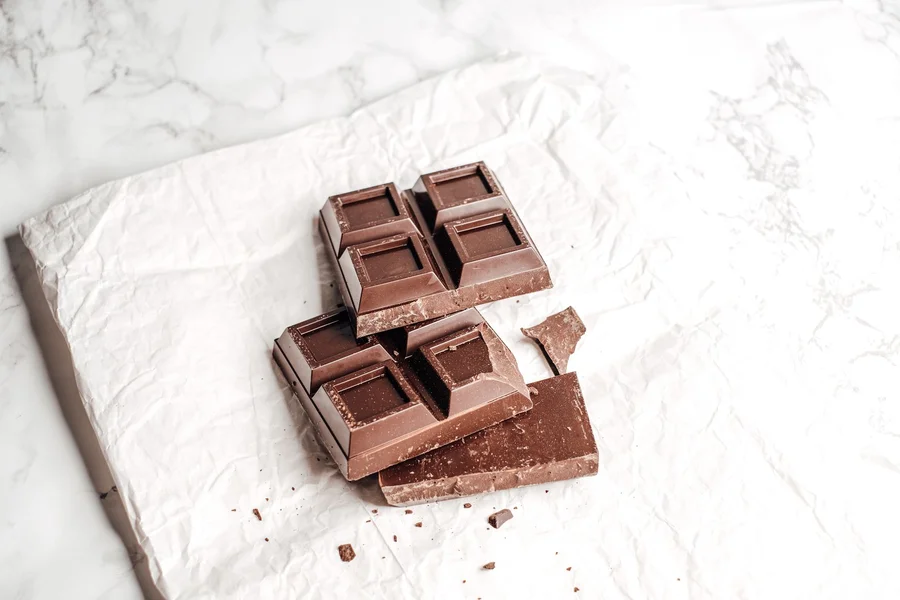
Fusion mushroom bars are edible confectioneries designed to deliver precise, divided servings. Typically manufactured in 4-gram (4000mg) or 6-gram (6000mg) total weight formulations, each bar is segmented into 10 to 15 individual chocolate squares, allowing users to control their intake with greater accuracy than estimating whole dried caps or stems.
Available in diverse flavor profiles, such as rich dark cacao, cookies and cream, matcha green tea, and birthday cake, the chocolate serves a dual purpose: the cacao fats mask the earthy bitterness of fungi while assisting in smoother digestion. This growing interest in mycological wellness connects directly to our evolving appreciation for functional fungi for everyday health and the revival of traditional herbal wisdom in modern wellness. For scientific data on psychoactive botanicals and dosage archives, researchers often consult the Erowid Psychoactive Vaults.
“Segmented mushroom chocolate bars transform complex botanical dosing into measured, consistent portions, but verifying source authenticity and active ingredients remains paramount.”

Understanding the Dosing Spectrum
Because individual metabolic rates, body chemistry, and tolerances vary substantially, understanding the segmented square breakdown is key for responsible consumption:
| Dose Level | Approximate Squares (4g Bar) | Expected Sensations & Cognitive Effects |
|---|---|---|
| Microdose | 1 – 2 Squares | Sub-perceptual; subtle mood elevation, heightened creative focus, zero visual distortion. |
| Mild / Therapeutic | 3 – 4 Squares | Gentle euphoria, enhanced sensory perception, relaxed muscles, conversational ease. |
| Moderate / Full | 5 – 8 Squares | Auditory and visual patterning, altered time perception, deep emotional introspection. |
| High / Shamanic | 9 – 12+ Squares (Full Bar) | Intense psychedelic journey, profound ego dissolution, heavy visual hallucinations. |
key Consumer Safety & Counterfeit Awareness
Because the edible psychedelic market operates largely outside standard regulatory frameworks in many jurisdictions, counterfeit products are widespread. Consumers must exercise rigorous discernment:
1. Scratch-Off QR Verification Codes
Authentic Fusion brand packaging frequently features proprietary scratch-off verification seals with unique QR codes directing users to the producer’s official verification portal. If a package lacks a scratch-off seal or directs to an unverified third-party URL, it is likely an imitation.
2. Active Ingredient Discrepancies
Laboratory testing of unregulated mushroom bars across the United States has revealed that many black-market products do not contain organic psilocybin mushrooms. Instead, some manufacturers substitute synthetic research chemicals (such as 4-AcO-DMT, a synthetic psilocin prodrug) or extracts of *Amanita muscaria* (muscimol and ibotenic acid). Third-party lab certificates of analysis (COAs) are essential to verify what is actually inside.
Following foundational harm reduction principles and educating oneself through public health resources like the National Harm Reduction Coalition helps minimize adverse reactions.
Set, Setting, and Mindful Preparation
For individuals exploring therapeutic or higher doses, internal mindset (“set”) and external environment (“setting”) dictate the entire experience:
- Safe Environment: Choose a familiar, comfortable, and private space free from unexpected disruptions or obligations.
- Trusted Sitter: When exploring moderate to strong doses, having a sober, trusted companion present provides emotional grounding and safety.
- Mindfulness Integration: Grounding practices such as breathwork or understanding meditation allow individuals to navigate intense introspective thoughts calmly.
- Start Low and Go Slow: Always wait at least 60 to 90 minutes after consuming chocolate before considering redosing, as digestive absorption speeds differ between individuals.
Maintaining balance through wholesome nutrition, adequate hydration, and restorative sleep forms the bedrock of a vibrant, sustainable healthy lifestyle.
Legal Status & Regulatory Overview
The legal environment surrounding psychoactive fungi is rapidly evolving but remains complex. In the United States, psilocybin is classified as a Schedule I controlled substance under federal law. However, several states and municipalities, including Oregon, Colorado, and cities such as Ann Arbor, Denver, Washington D.C., and San Francisco, have passed landmark decriminalization or state-regulated therapeutic access frameworks.
Conversely, non-psychoactive functional mushroom chocolates formulated with adaptogens like Lion’s Mane, Reishi, Cordyceps, and Turkey Tail are 100% federally legal nationwide and widely sold in health food stores.
Frequently Asked Questions
How long does it take for a mushroom chocolate bar to take effect?
Because the active compounds are suspended in chocolate, onset generally takes between 30 and 60 minutes. Factors like recent meals, metabolism, and hydration levels can delay onset up to 90 minutes.
How should mushroom chocolate bars be stored?
Store bars in an airtight container in a cool, dark, and dry environment (such as a refrigerator or cool pantry) to prevent the chocolate from blooming and to protect the active compounds from heat and UV degradation.
What is the difference between functional mushroom bars and psychedelic shroom bars?
Functional mushroom bars contain legal adaptogens (like Lion’s Mane, Chaga, and Reishi) designed to support immunity and daily cognitive focus without producing any altered states. Psychedelic bars contain active compounds that alter sensory perception and consciousness.

Written by Rosella
Rosella is a self-taught digital creator with a passion for breaking down tech, lifestyle, and everyday topics into simple, easy-to-understand content. Based in Youngstown, Ohio, she brings a curious, multi-disciplinary approach to writing, covering everything from the latest tech trends to practical life hacks and personal growth insights.
Her goal is straightforward: take complicated ideas and explain them in a way that actually makes sense, so every reader, whether a total beginner or someone more experienced, walks away having learned something useful. When she’s not writing, you’ll usually find her exploring new tools, sharpening her skills, or spending time with family.
Through this blog, Rosella aims to build a community centered on real, actionable insights rather than fluff, jargon, or filler content.
