
The Evolution and Impact of Trucks and Pickups in Modern Transportation
Table of Contents
- Rising Popularity of Pickups
- Versatility in Urban and Rural Settings
- Technological Advancements in Modern Trucks
- Economic Impact of the Truck Market
- Emergence of Electric Pickups
- Safety and Environmental Considerations
- Future Trends in Truck Design and Usage
- Conclusion
Trucks and pickups have become symbols of mobility, resilience, and adaptability in American culture. Their journey from utilitarian machines to household mainstays highlights how vehicles can meet changing demands for both work and personal travel. For those searching for the right truck and car to fit their lifestyle or business needs, today’s market offers options more versatile and suitable than ever before.
The enduring presence of pickups and trucks on American roads reflects their relevance not just to traditional industries but also to modern life. As technology advances, manufacturers increasingly prioritize comfort, efficiency, and sustainability. These vehicles now appeal to a broader segment of society, including families and urban dwellers, making them true mainstays of everyday transportation.
Rising Popularity of Pickups
Year after year, pickup trucks dominate the U.S. vehicle sales charts. Their remarkable multifunctionality attracts a vast audience: not only tradespeople and companies, but also those seeking reliable commuters and recreational vehicles. According to the Specialty Equipment Market Association (SEMA), pickups are expected to account for nearly 50% of all new vehicle sales by 2027. The strong performance of pickups in the auto market is closely linked to their evolving capabilities and the shifting needs of American drivers.
Notably, pickup trucks have become a staple not only for those involved in manual labor but also for individuals and families who value durability and space. They have become a frequent sight in suburban driveways, often replacing larger sedans or minivans thanks to ever-improving comfort features and interior technology. The wave of new buyers demonstrates just how deeply embedded pickups are becoming in the fabric of both urban and rural America. This shift is also evident in the variety of trim levels, ranging from work-ready models to luxury editions equipped with leather seating, panoramic sunroofs, and advanced audio systems.
Versatility in Urban and Rural Settings
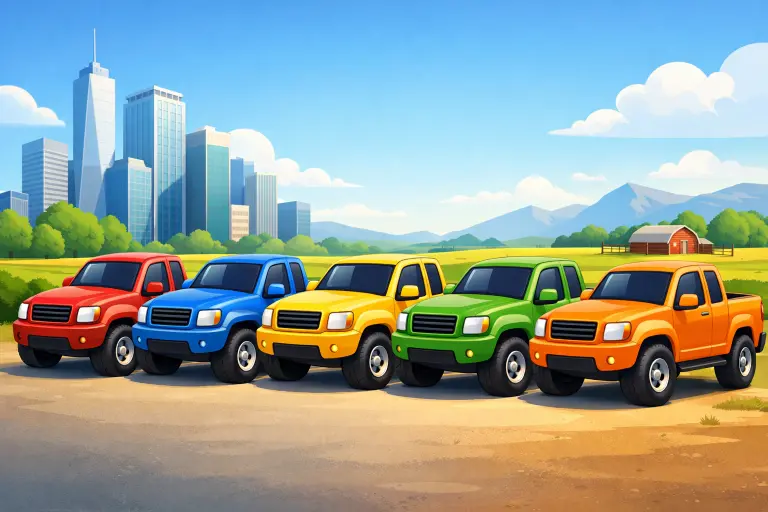
Today’s pickups are engineered to excel in both urban environments and rugged rural areas. Large payload capacities and advanced suspension systems provide excellent utility for farmers and construction workers, while comfort features and improved handling make them popular in cities as family vehicles. The shift towards multi-purpose design blurs traditional boundaries, drawing in adventure seekers as well as business professionals. This dual-purpose capability explains why pickups resonate with drivers from different walks of life.
This adaptability is further seen in the growing use of pickups for outdoor recreation, such as camping, tailgating, and towing boats or trailers. Many models come equipped with built-in features like in-bed power outlets, movable tie-downs, and configurable storage solutions that serve professionals and leisure users alike. Urban drivers benefit from higher driving positions and enhanced all-weather capability, while rural owners appreciate ruggedness and versatility. Consequently, these vehicles seamlessly switch between weekday utility and weekend adventures, making them a staple across distinct American landscapes.
Technological Advancements in Modern Trucks
Modern trucks now feature state-of-the-art innovations such as adaptive cruise control, lane-keeping assist, blind-spot monitoring, and advanced infotainment systems. Beyond basic utility, manufacturers are leveraging data analytics and software integration to improve reliability and efficiency. This transformation has turned vehicles into platforms for ongoing upgrades and services, changing the entire ownership and driving experience. Connectivity and real-time diagnostics mean that today’s trucks are continuously monitored to reduce downtime and improve safety.
Another remarkable advancement lies in the realm of digital convenience. Truck owners now have access to smartphone apps that allow them to remotely start their vehicles, adjust climate controls, and even track maintenance schedules. Over-the-air software updates can improve vehicle performance or add capabilities without requiring a visit to the dealership. Heads-up displays, surround-view cameras, and integrated navigation systems are moving into even base models, ensuring top-tier safety and ease of use for everyday drivers and business owners.
Economic Impact of the Truck Market
The financial footprint of the truck and off-road vehicle sector is vast. In the United States, the truck accessories market alone generates $16 billion in annual revenue. Combined with SUVs, crossovers, and vans, the market’s yearly value exceeds $30 billion. This powerful economic force supports jobs, fuels related industries, and spurs innovations across manufacturing, logistics, and retail.
Growth in the truck sector also ripples into auxiliary markets, including aftermarket customization, repair services, and insurance. The proliferation of trucks has led to a robust ecosystem of parts suppliers and specialty shops that cater to the unique needs of pickup owners. Additionally, rental and leasing companies increasingly add trucks to their fleets, further underscoring broad consumer and commercial demand. As trucks continue to lead vehicle sales, they significantly boost regional economies, particularly in manufacturing-centric states and areas with large rural populations.
Emergence of Electric Pickups
The rise of electric pickups signals a major pivot towards sustainability in this traditionally gas-powered segment. Fleet operators and individual buyers are increasingly considering all-electric models for both economic and environmental reasons. Reduced emissions and operational costs make electric pickups particularly attractive for construction firms and service businesses. Innovative companies are already testing the limits and benefits of these vehicles in real-world industries, accelerating the transition to greener fleets.
Along with economic benefits, electric pickups introduce quieter operation and instant torque, characteristics especially valuable for job sites or residential neighborhoods with noise restrictions. The availability of electric versions from established names and newcomers reflects the automotive industry’s growing commitment to addressing consumer concerns about climate change. As charging infrastructure expands and battery technology improves, electric pickups are poised to become a practical alternative for mainstream buyers, promising to lower the total cost of ownership over time and reduce dependency on fossil fuels.
Safety and Environmental Considerations
As larger, more powerful trucks hit the market, safety for occupants, pedestrians, and other motorists is increasingly scrutinized. The elevated ride height and longer front ends can reduce visibility of cyclists and children, increasing the risk in urban settings. Manufacturers have responded by embedding advanced automatic braking, pedestrian detection, and extensive camera systems. At the same time, efforts to reduce carbon footprints include hybrid drivetrains and alternative fuels, aligning with growing environmental consciousness.
Beyond regulatory compliance, consumer expectations are now driving further changes in design and engineering. Vehicle testing organizations and safety advocacy groups push for robust safety ratings and stricter emission standards. Eco-minded consumers seek trucks with increased fuel efficiency and reduced tailpipe emissions, guiding manufacturers toward lighter materials, aerodynamic improvements, and eco-friendly production processes. These continuing efforts not only address immediate concerns but also contribute to the long-term sustainability of the automotive landscape.
Future Trends in Truck Design and Usage
The trucking sector stands at the cusp of the next revolution, driven by autonomy, electrification, and connectivity, features that promise to enhance safety further and reduce driver fatigue. As electric charging networks expand, longer-range electric pickups will become practical for more users. Digital services embedded within vehicles will streamline logistics and fleet management, transforming how goods and people are moved. These innovations are expected to push trucks and pickups into even broader roles over the coming decade.
Another trend is personalization: buyers increasingly seek vehicles tailored to their unique needs, whether through factory-installed packages or aftermarket modifications. From adjustable air suspension systems to factory lift kits and modular bed systems, customization raises the utility and emotional attachment to vehicles. Combined with the advent of shared and subscription-based transportation models, the next era will see pickups acting as multi-purpose platforms for both commercial and private use, adapting to shifting lifestyle, environmental, and business demands.
Conclusion
Trucks and pickups remain vital to American mobility and commerce, continually adapting to new technologies, regulatory demands, and societal preferences. Their unique blend of utility, power, and versatility ensures they will remain a driving force in transportation. As they embrace cleaner powertrains, smarter features, and enhanced safety systems, they are well-positioned to serve future generations of both business users and personal drivers.
The American fascination with pickups and trucks is far from waning; if anything, it is evolving and growing stronger as new technological advances and market trends reshape the future of vehicles. Whether it’s supporting small businesses, exploring the great outdoors, or serving as family transport, these vehicles bring together tradition and innovation in a uniquely American way. As trucks embrace connectivity, efficiency, and sustainability, their significant cultural and economic role will likely continue for many more decades, adapting to new needs and inspiring future generations.