
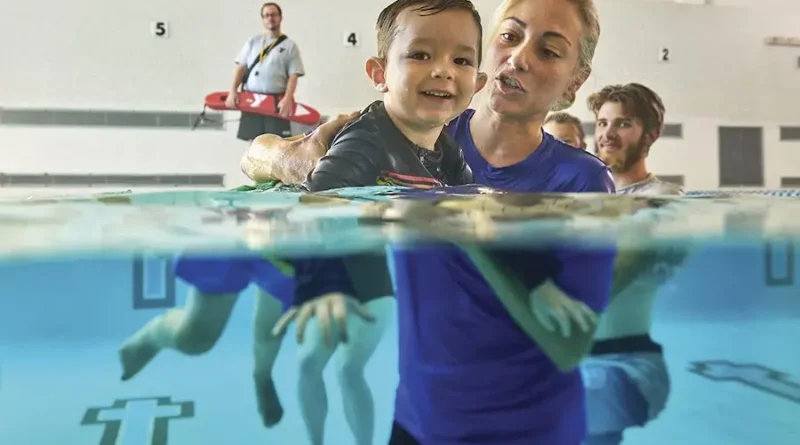
Why Springfield VA Infant Swimming Lessons Focus on Comfort Before Technique
Little ones rely heavily on how the water makes them feel long before they understand any formal movement. A calm introduction can shape their confidence in ways that last well into childhood. Springfield swimming lessons for infants focus on comfort first because emotional ease becomes the true starting point of all effective learning.
A Scared Baby Won’t Learn Much, so Making Them Feel Safe Comes First
Fear blocks learning, especially in infants who depend on instinct more than instruction. Swimming lessons Springfield VA often begin with gentle holding positions, warm water, and soft movements so babies can sense that they’re protected. Once their bodies relax and their breathing steadies, they become more open to new sensations and small challenges.
A comfortable infant responds better to cues from instructors and caregivers. They hold eye contact longer, show curiosity, and stay calmer through transitions. This emotional safety builds a foundation that makes infant swimming lessons near me far more effective and enjoyable for both the child and the parent.
If the Water Feels Scary Now, They Might Hate the Pool for Years
Early impressions matter for infants. A single frightening experience can shape how a child views the water well into their toddler years and beyond. Springfield VA programs aim to prevent this by pacing each introduction slowly, supervising closely, and letting the child lead the comfort level. Positive early experiences create long-term enthusiasm. A baby who feels secure in infant swimming classes near me becomes a child who sees the pool as familiar instead of threatening. This outlook supports smoother progress in later lessons and helps avoid future water resistance.
Relaxed Muscles Help a Little One Float Much Better than Stiff Ones
Floating depends on a natural balance of body position and muscle softness. Babies who feel anxious tend to stiffen, which causes sinking or sudden jerky movements. Springfield swimming lessons emphasize comfort so babies release tension and let their bodies glide naturally on the surface.
Supportive, calm movement slows their breathing and reduces the instinct to tense up. For instructors, this makes teaching entry-level skills far easier and safer. Most importantly, relaxed bodies help babies discover what buoyancy feels like, which becomes a key building block for infant swimming lessons near me.
Being Happy in the Pool Builds the Trust Needed for Harder Moves Later
Infants learn gradually, and trust is a major part of that progression. Cheerful interaction, warm smiles, and predictable routines help infants believe the water is a safe and welcoming place. Trust paves the way for learning skills such as assisted floating, gentle submersions, or breath awareness later on.
This trust translates into smoother transitions as the child grows. When a toddler feels comfortable, they follow instructions with fewer meltdowns and more eagerness. Over time, early happiness in the pool makes advanced moves easier to introduce in swimming lessons Springfield VA.
It Is Easier to Teach Kicking When a Baby Isn’t Crying or Clinging
Kicking requires coordination, but emotional tension gets in the way. A crying or clinging infant cannot focus on repetitive motion or body alignment. Lessons that prioritize comfort help babies loosen their grip and become more receptive to guided leg movements.
Calm babies feel lighter in the water and respond more naturally to gentle cues. Instead of fighting the sensation of floating, they accept the support and begin practicing small kicks. This is why many parents searching for infant swimming lessons near me find comfort-focused classes more productive.
Getting Used to the Splashes Helps Stop Them from Panicking Early on
Splashing can overwhelm infants, especially those sensitive to sudden sensations. Introducing small splashes gradually gives babies time to adjust without fear. Instructors often demonstrate fun splash games to show babies that water on the face or hands is normal and harmless.
Gradual exposure prevents panic reactions later in life. A baby who understands that splashes are safe is less likely to choke up or freeze when learning to blow bubbles or submerge briefly. Parents attending infant swimming classes near me often notice their little ones becoming more adventurous with consistent, gentle splash exposure.
We Want Them to See the Pool As a Fun Playground Rather than a Chore
Joy plays a major role in early swimming success. If an infant associates the pool with play, they develop a positive mindset that supports long-term growth in the water. Lessons that incorporate toys, songs, and simple games help create this playful environment.
Fun reduces resistance and keeps babies engaged. A child who sees swimming as playtime is more attentive, willing to try new movements, and less likely to show fear when learning new skills. This fun-first approach makes swimming lessons Springfield VA feel natural to infants instead of forced.
Deep Breathing Is Only Possible When a Child Feels Calm and Steady
Breathing control begins with emotional calmness. Babies cannot regulate breaths if their hearts are racing or their bodies are tense. Slow movements, warm water, and secure holds keep infants grounded enough to practice small breath patterns during early lessons.
Steady breathing is essential for progress later on. As infants grow into toddlers, breath control transitions into more advanced skills like bubble blowing and water entry techniques. Programs that focus on comfort first set the stage for these skills to develop smoothly.
Feeling at Home in the Water Is the Best Foundation for Real Strokes
Formal strokes require body awareness, trust, and rhythm—all of which come from early comfort in the water. A child who feels at home in the pool shows better coordination and adapts more quickly to structured instruction. Comfort transforms the water into a familiar environment rather than an unpredictable one. Children who begin with infant swimming lessons near me that emphasize ease often excel when transitioning to stroke development. Comfort turns into confidence, and confidence turns into skill. For families wanting a calm and supportive introduction for their little ones, Safe Splash offers swim lessons designed to build water confidence from the very beginning.