
Hidden Warnings Your Underground Septic Tank Sends Before It Overflows
Homeowners often forget about underground waste systems until unpleasant symptoms suddenly surface near sinks and yards. Beneath the soil, solid waste gradually settles into a thick layer that continuously narrows the available liquid volume inside the containment unit. Knowing how to spot early signs of excessive waste accumulation helps property owners prevent catastrophic plumbing failures and costly environmental damage.
Why Gurgling Pipes Are Telling You Something Important
Plumbing lines depend on open airflow and unobstructed liquid movement to transport household waste away smoothly. Accumulating solid matter at the base of the tank eventually blocks the inlet pipe, forcing trapped air pockets to push back upward through house lines. Sounds resembling bubbling or deep air release from toilets, showers, or washing machines often signal that incoming wastewater faces resistance. Ignoring these audible warnings usually leads to complete blockages, making timely evaluation from a certified septic contractor essential for keeping waste moving in the right direction.
What Happens Beneath Your Yard as Sludge Builds Up?
Heavy organic solids settle at the bottom of the vessel while lighter fats create a floating scum layer on top. Between these two distinct layers sits clear liquid effluent designed to flow freely into the absorption area. Heavy accumulation reduces the working volume, shortening the settling period required for solids to separate cleanly from water.
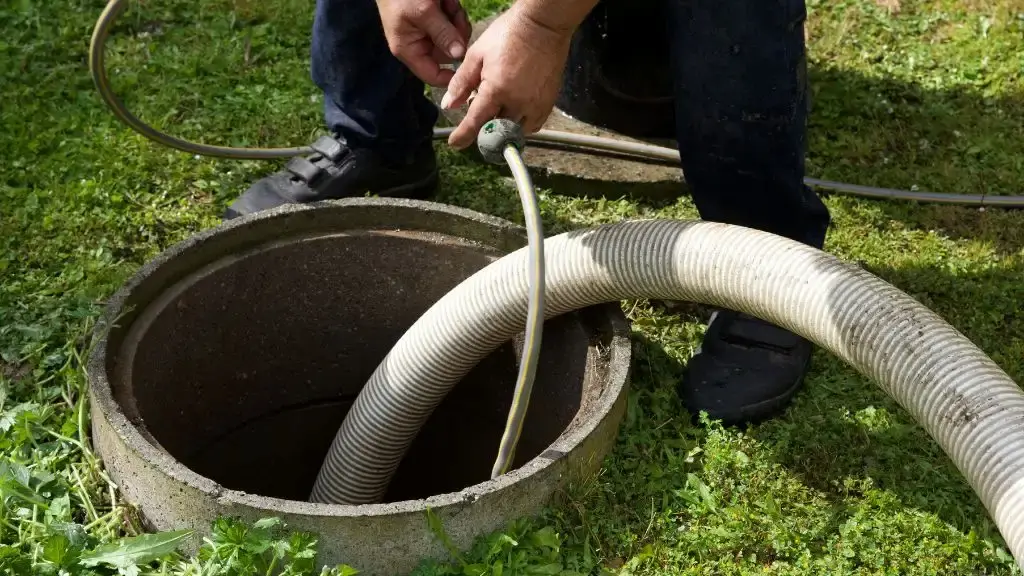
Over time, untreated particles exit through the outlet baffle directly into the absorption trenches. Soil pores become plugged with organic debris, preventing natural percolation and causing liquid to back up toward the surface. Routine septic tank pumping removes this compressed mass before suspended particles escape and ruin the surrounding soil structure.
Unexpectedly Lush Grass Patches over the Drainfield
Bright green patches of extra tall grass directly above the absorption area might look like a healthy lawn, but they typically signal underground trouble. Dense waste deposits force nutrient-rich effluent upward near the surface, fertilizing grass roots from below long before visible standing water forms. Liquid seeking an easy exit point creates soggy turf, soft spots, or persistent dampness over the leach lines. Property owners who notice unnaturally vibrant vegetation should seek professional septic tank pumping services to inspect liquid levels before toxic effluent breaches the surface completely.
How Does High Sludge Volume Cause Slow Drains Throughout the House?
Fixtures throughout a home usually drain slowly when a single pipe clog forms, but simultaneous sluggishness across multiple rooms indicates a deeper issue. Heavy sludge layers restrict incoming flow at the main inlet, creating hydraulic pressure that resists incoming water. Showers, sinks, and bathtubs start clearing at a fraction of their normal speed because wastewater has nowhere to expand inside the chamber.
Trapped liquid backs up into lowest-lying household fixtures first, such as basement sinks or ground-floor toilets. Using chemical drain cleaners in this situation does absolutely nothing to resolve the problem because the physical blockage sits deep inside the primary containment unit. Qualified technicians performing comprehensive septic tank service can quickly verify whether the slow drainage stems from internal plumbing lines or an overfilled primary tank.
Unpleasant Sewage Odors Creeping Around Your Property
Foul smells resembling rotten eggs or raw sewage around the yard or near indoor drains provide clear evidence of system distress. Gases generated during organic breakdown normally vent safely through roof stacks, but overflowing waste forces sewer gases up through household drains and soil pockets. Damp soil saturated with raw effluent releases strong odors that linger in low-lying outdoor spaces, especially during humid weather. Searching online for reliable septic companies near me allows homeowners to schedule prompt inspections before airborne odors turn into major environmental hazards.
Are Frequent Backups Pointing to a Full Tank or a Clogged Line?
Wastewater reversing back into sinks, bathtubs, or toilet bowls represents an active emergency caused by restricted fluid movement. Distinguishing between a local pipe blockage and a saturated absorption field requires evaluating how many plumbing fixtures experience backup at the exact same moment. Single fixture overflows usually stem from localized pipe restrictions, whereas multiple simultaneous backups point directly toward an overfilled primary holding vessel.
Ignoring early backup signs risks sending untreated raw sewage into living spaces, creating health risks and severe property damage. Accumulated solids that breach the outlet pipe choke distribution lines, forcing wastewater backward along the path of least resistance. Local property owners rely on experienced septic contractors Huntsville AL to inspect baffle integrity, measure sludge depth, and safely clear heavy deposits before structural damage spreads.
Getting Professional Maintenance Before System Failure Happens
Scheduling routine maintenance remains the single most effective way to prevent costly waste system failures and prolong absorption field longevity. Professional technicians utilize specialized equipment to measure sludge layer depth and ensure structural components like inlet baffles operate without obstruction. Homeowners seeking dependable waste management solutions can rely on Cora Environmental to perform thorough inspections, routine pumping, and expert system care that keeps residential septic systems running reliably year after year.